
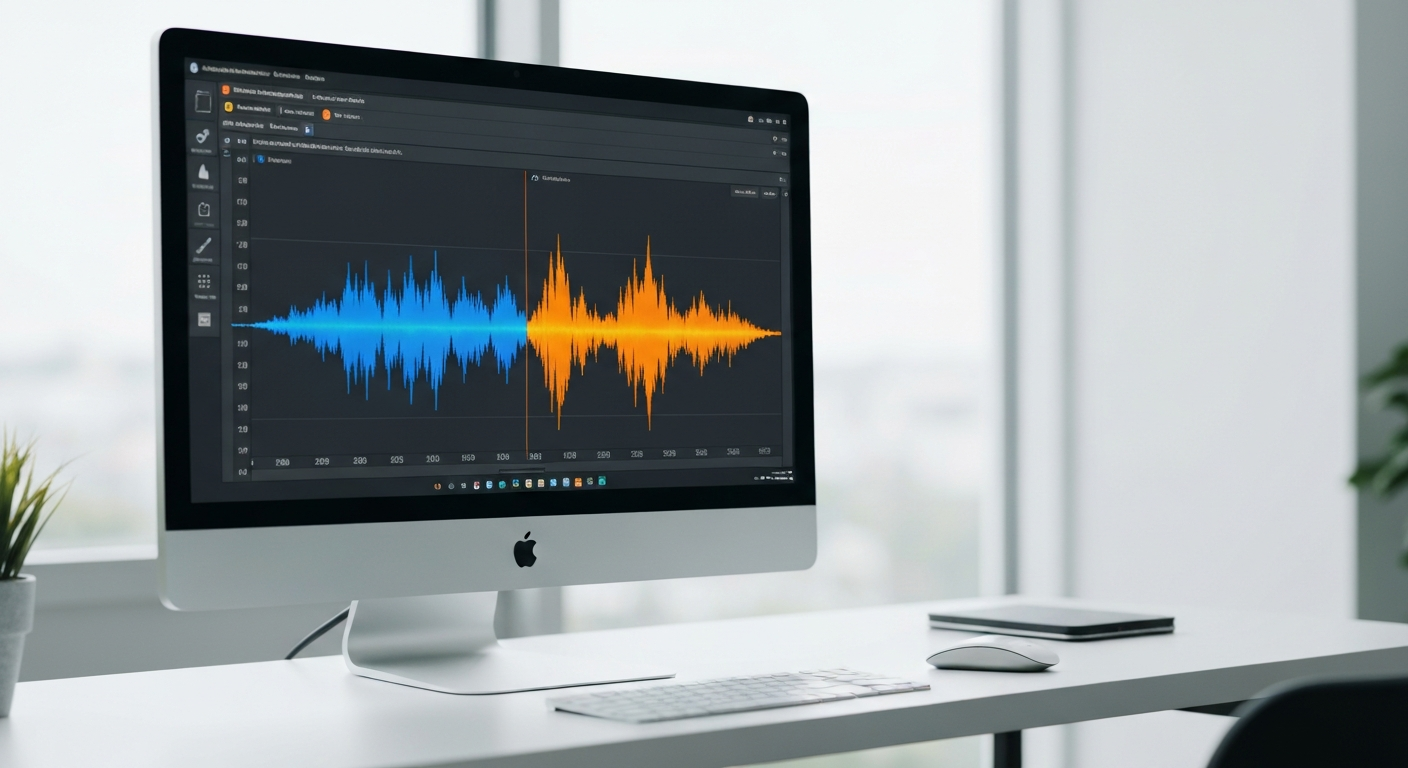
Mixing in a vacuum is a recipe for disaster. Discover how using reference tracks can dramatically improve your mixes and help you achieve a professional sound faster.
The Danger of Losing Perspective
When you spend hours working on a single mix, your ears become fatigued, and you lose perspective. What sounds perfectly balanced to you might actually be harsh, muddy, or lacking low-end. A reference track acts as a sonic compass, re-calibrating your ears.
How to Choose a Reference
Select a professionally mixed and mastered track that shares a similar genre, tempo, and instrumentation to your own song. Import it directly into your DAW and volume-match it to your mix so you're not fooled by the "louder sounds better" phenomenon.
What to Listen For
Don't just listen passively. Analyze the reference track. How loud is the vocal compared to the snare? How wide are the synths? How much sub-bass is there? Use these observations to guide your own mixing decisions and bridge the gap between your track and a professional release.